
How Do I Know If a Security Door Will Actually Stop a Break-In?
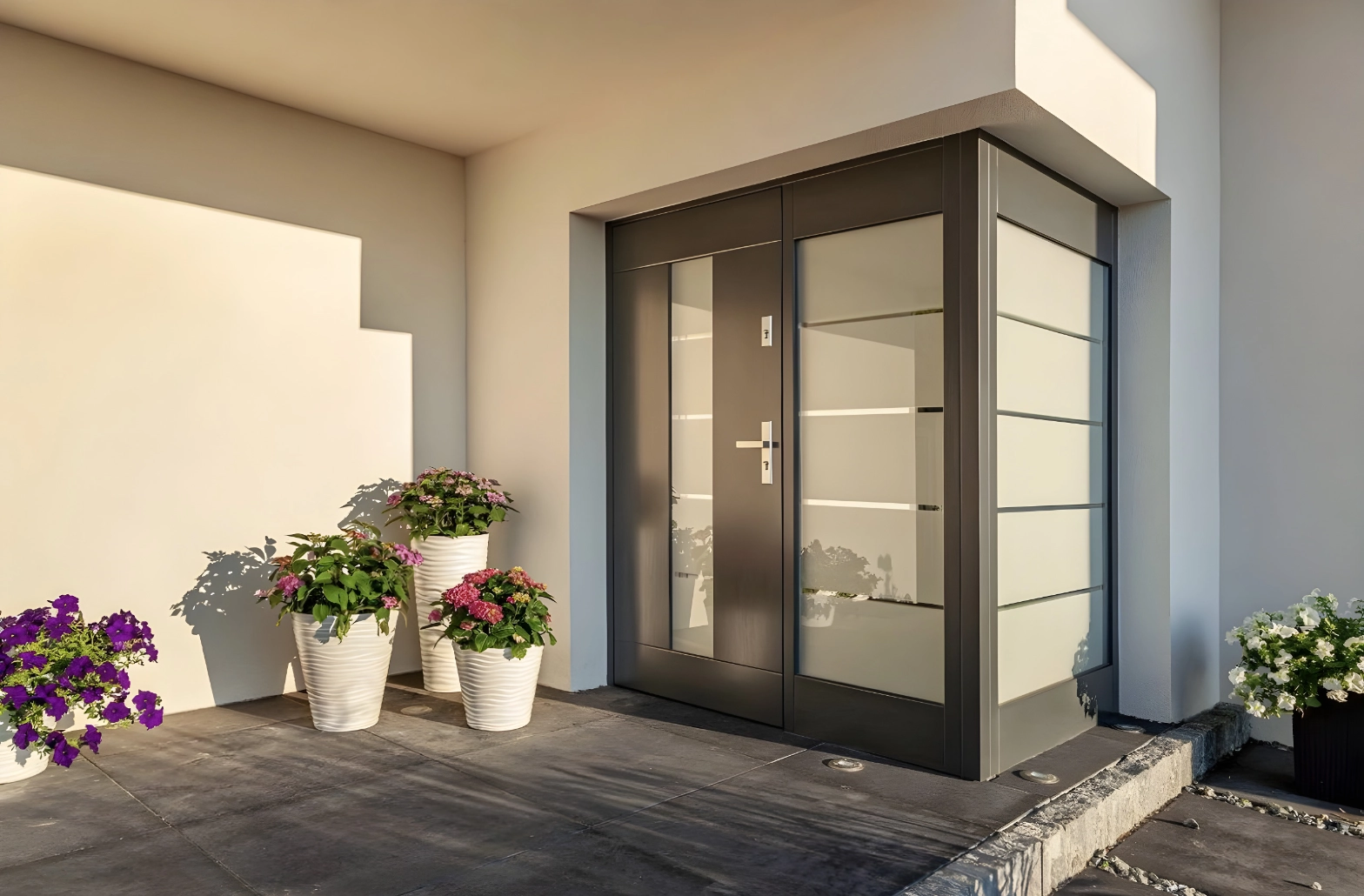
Not every door marketed as "high security" has actually been tested against a break-in.
Short answer: A security door will only reliably stop a break-in if it has been independently tested and certified to a recognised standard, in the UK that means LPS 1175. Terms like "heavy-duty," "reinforced" or "high-security" are marketing descriptions, not proof of performance. If a door has no certificate number you can verify on RedBook Live, you do not actually know how long it will resist a forced entry attempt.
It is one of the most common questions we get asked, and it usually comes from someone who has just been quoted for a "security door" and has no way of knowing whether that description means anything. The honest answer is that most of what gets called a security door on the UK market has never been attacked by anyone in a laboratory, timed, or independently verified. It has simply been built to look strong.
This guide explains exactly how to tell the difference, using the same standard, LPS 1175, that Premier Security uses to certify its own residential doorsets.
Why "Heavy-Duty" and "Reinforced" Don't Mean Anything
This is the single biggest issue we see in the security door market, and it is worth being blunt about it.
Words like "heavy-duty," "reinforced" or "high-security" sound reassuring, but they carry no legal or technical weight unless the door has actually been tested. Any manufacturer can put those words on a product page. None of them require independent verification.
"Security is about proven performance, not how tough a door looks."
Premier Security Ballistic & Blast LtdA proper security door should be backed by certification, not just marketing language. For a door to genuinely stop or meaningfully delay a break-in, it needs to have been tested as a complete unit, door leaf, frame, hinges, locks and fixings together, by an accredited third party using defined tools and a defined attack time. In the UK, that standard is LPS 1175.
What LPS 1175 Actually Tests
LPS 1175 is a bit like a security MOT for a door. It does not simply measure how strong the door feels. It tests how the complete doorset stands up to a genuine forced attack, carried out by trained attack teams at an accredited test house.
The resulting Security Rating (SR) tells you two things about the door:
- What tools were used to attack it. Ratings range from opportunist hand tools at the lower end, through to power tools and heavy-duty equipment at the higher end.
- How long it resisted for. Every certified door has a documented delay time, the length of time the test attack team failed to create a person-sized opening.
A lower rating typically reflects testing against basic hand tools. A higher rating involves more serious tools, more force and a more determined attacker. Both are legitimate ratings, the right one simply depends on the level of risk being addressed.
LPS 1175 Ratings at a Glance
| Issue 8 Rating | Issue 7 Equivalent | Typical Tools Tested Against | Common Application |
|---|---|---|---|
| A1 | SR1 | Basic hand tools, opportunist attack | Low-risk domestic |
| B3 | SR2 | Hand tools plus bolt cutters, cordless drill | Standard residential, most common domestic rating |
| C5 | SR3 | Crowbar, axe, cold chisel, cordless drill | Higher-risk residential, commercial premises |
| D10 | SR4 | Professional power tools, sledgehammer | High-value residential, commercial/industrial |
| E10 | SR5 | High-end battery and mains-powered tools | Critical infrastructure, high-security applications |
Most residential properties are appropriately protected at SR2 (B3) or SR3 (C5), depending on the risk assessment for the property. Premier Security manufactures LPS 1175 certified doorsets across this range, tested and listed by the LPCB.
It's About Buying Time, Not Building a Fortress
This is the point that changes how most people think about security doors, and it is worth being explicit about it.
No door is designed to be impossible to get through forever. LPS 1175 certification is not about creating an impenetrable barrier. It is about buying time. The longer a door can resist the right type of attack, the more chance there is for alarms, CCTV, neighbours, security teams or police response to make a difference before anyone gains entry.
That is why the rating matters. It turns a vague claim, "this door feels strong," into a measurable fact, "this door has been tested against a defined level of attack for a defined period of time." A cheaper, untested door might feel just as solid when you push against it in a showroom. The difference only becomes apparent the moment someone actually attacks it, and by then it is too late to find out.
Real-World Example: What Happens When a Door Isn't Certified
High-Net-Worth Residential Security Upgrade
Client name withheld for security reasons.
Premier Security was approached by a security consultant acting on behalf of a high-profile private individual following a break-in attempt at a UK residence. The existing external doors, though marketed as "heavy-duty" by the original installer, held no LPS 1175 certification and were compromised in under two minutes using basic hand tools.
Premier Security specified LPS 1175 SR3 (C5) rated doorsets for all external entry points, a rating certified to withstand a determined attack using a defined tool kit for a set minimum test duration. Independent LPCB testing confirmed the replacement doors resisted forced entry well beyond the timeframe achieved by the original, uncertified installation.
The consultant's brief noted that the previous doors had been sold under a general "security door" description with no third-party certification behind it, an issue Premier Security regularly encounters when auditing existing residential installations.
The Weak Points Homeowners Usually Miss
For residential properties, the conversation often comes back to the less visible entry points, not the ones people assume are most at risk.
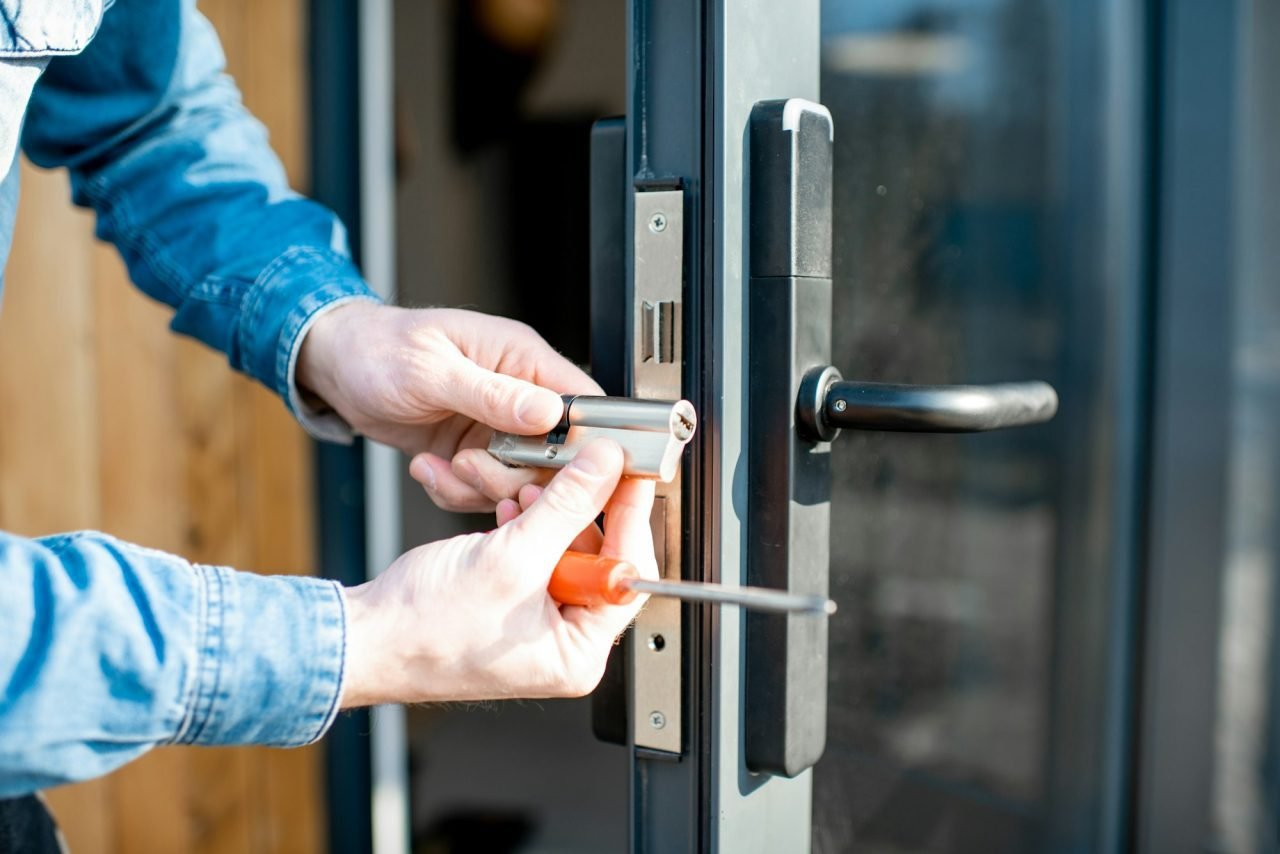
Front doors matter, of course, but a burglar will usually look for the easiest, quietest and least overlooked route in. That is often a rear door, side door, patio or French doors, or a door connected to an integral garage.
- Integral garages. This is a big one people forget. If someone gets into the garage through a weaker garage door, the internal door leading into the house can sometimes be far less secure than the front door, even though it is now the only thing protecting the living space.
- Rear, side, patio and French doors. Less visible from the street, less overlooked by neighbours, and frequently the weakest point in an otherwise well-secured property.
- Holiday homes and properties left empty for periods. Here you are not just trying to stop a quick opportunist. You are trying to slow down someone who may have more time and less chance of being disturbed.
The main difference with residential security, compared with commercial, is that protection has to be balanced with appearance and day-to-day use. People do not want their home to feel like a commercial site, but they still need genuinely tested protection at the points where the risk is highest.
How to Check If a Security Door Is Actually Certified
Before you buy, check these five things
- Ask for the LPS 1175 rating. A genuine security door should be able to state its exact SR rating (e.g. SR2, SR3) without hesitation.
- Verify it on RedBook Live. This is the LPCB's official certification database and the definitive way to confirm a product is genuinely listed, not just described as certified.
- Ask about the certificate number. A legitimate manufacturer will provide this without being pushed, and it should match what is listed on RedBook Live.
- Confirm genuine Secured by Design (SBD) status. SBD is the official UK police security initiative. Confirm the manufacturer is a genuine SBD member, not simply using the terminology.
- Check the whole doorset is tested, not just the door leaf. LPS 1175 certification covers the complete system, frame, hinges, locks and fixings included. A strong slab of steel with a weak frame is not a certified doorset.
Is an LPS 1175 Security Door Worth the Extra Cost?
LPS 1175 security doors are usually significantly more expensive than a standard "heavy-duty" domestic door, and that gap is there for a reason.
With a normal door, you are often paying for appearance, thickness and basic strength. With an LPS 1175 tested doorset, you are paying for a complete security system, the steel door leaf, frame, locks, hinges, fixings and overall design, all tested together against a defined attack.
"You are not just buying a stronger door, you are buying proof."
Premier Security Ballistic & Blast LtdA cheaper door might feel solid in a showroom, but if it has not been tested, you do not really know how it will perform when someone attacks it. An LPS 1175 door costs more because it has been independently tested to resist real forced entry methods for a set period of time.
So yes, it is a bigger investment. But where the risk is real, whether that is a rear entrance, an integral garage door, a holiday home or a high-value property, the value is in the confidence that the door has been proven, not just described as secure.
Frequently Asked Questions
What is the difference between LPS 1175 and PAS 24?
PAS 24 is an entry-level enhanced security standard often required under Building Regulations for new-build doors and windows. LPS 1175 is a significantly more rigorous standard, testing against a wider range of tools and longer attack durations, and is generally specified for higher-risk residential or commercial applications.
What SR rating should a residential front door have?
Most standard residential properties are appropriately protected at SR2 (B3). Higher-risk properties, high-value homes, or properties with a specific threat assessment often specify SR3 (C5) or above.
How do I verify a security door's certification is genuine?
Search the manufacturer's certificate number on RedBook Live, the LPCB's official certification database. If the product and certificate number are not listed there, the certification claim cannot be verified.
Does a certified security door mean it can never be broken into?
No. LPS 1175 certification is about delay, not permanent prevention. A certified door is tested to resist a defined attack for a defined period of time, giving alarms, CCTV or a response team the opportunity to intervene before entry is achieved.
Why is the back door often less secure than the front door?
Homeowners typically invest most heavily in the front door because it is the most visible. Rear doors, patio doors and garage-to-house internal doors are frequently overlooked, despite being the entry point burglars are more likely to target due to reduced visibility.
Have a question this article didn't answer? Get in touch with Premier Security and we'll talk you through the right rating for your property.