
High Security Sash Windows
LPS 1175 Sash Windows
High-security protection without losing traditional character
Are LPS1175 SR2 Security windows right for you?
Most people do not start by looking for LPS 1175 sash windows. They start with a problem.
You might own a listed building and need to upgrade security after a risk review, or maybe you might work on a project where insurers or security advisors demand a higher level of protection. Standard sash windows will not stand up to a serious attack. Which is where the LPS 1175 Security Standards come in.
At the same time, you still have to protect the building’s appearance. Planning officers care about proportions, profiles, glazing bars, and sightlines. While clients care about value, heritage, and reputation. Nobody wants windows that look defensive or out of place.
This is the gap LPS 1175 sash windows fill.
We work with clients who need windows that slow attackers down, stand up to force, and meet recognised security standards, without advertising that security on the outside. The idea is to keep people safe while maintaining the building’s look.
What LPS 1175 actually means
LPS 1175 is a physical security standard, not a design guide.
Independent testers assess products under controlled attack conditions. They apply force and use tools, applying pressure. If the product fails, it fails publicly and formally.
This testing matters. Many products claim strength. LPS 1175 proves it.
The standard focuses on delay, as no window is impossible to breach. What matters is how long it resists and how much effort an attacker must use. Time creates noise, risk, and detection.
When you specify an LPS 1175-rated product, you rely on evidence rather than marketing.
Find out more on LPS 1175 Security Ratings here.
Understanding LPS 1175 security ratings
LPS 1175 uses Security Ratings, shown as SR levels. Each level increases the difficulty, duration, and intensity of the attack.
We most often work with SR2 sash windows. In our experience, SR2 offers the right balance for heritage, residential, and government buildings that face credible risk without needing extreme infrastructure-level protection.
At SR2, testers use a wider range of tools and apply sustained attack pressure. This level goes well beyond casual or opportunistic entry attempts. It targets determined intruders who expect resistance and keep going.
Higher ratings exist for specialist sites. Lower ratings exist for lower-risk settings. The key is in choosing the level that matches the real threat, not the theoretical one.
Why sash windows create security challenges
Traditional sash windows are the perfect fit for period buildings, but they rarely perform well under attack.
Older sash designs rely on timber sections, cords, weights, and simple catches. Even modern replicas often prioritise appearance over resistance. Apply pressure to the meeting rail or apply leverage to the frame, and failure comes quickly.
Retrofitting security into standard sash windows usually creates problems as the locks become visible and the proportions change. Planning objections can also follow.
We see this play out again and again, especially in conservation areas and listed buildings. Clients feel stuck between security advice and heritage rules.
LPS 1175 sash windows remove that conflict by design.
How our LPS 1175 sash windows work
We design our sash windows around security first, then hide that security within a traditional form.
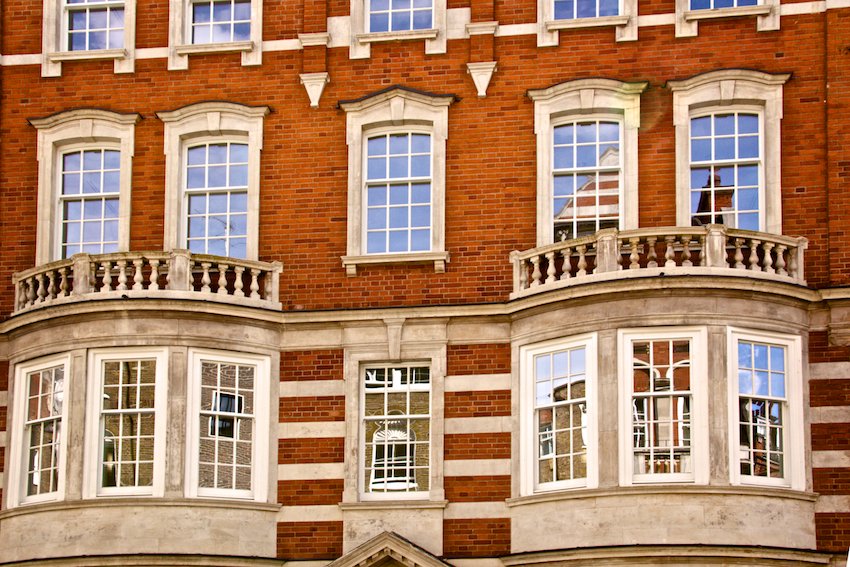
From the outside, they read as proper sash windows. The proportions stay correct. The detailing stays consistent with period joinery. Nothing signals high security.
Inside the frame, everything changes.
Reinforcement sits within the timber. Locking systems resist manipulation and force. Glazing assemblies absorb impact and resist penetration. Each component works together rather than relying on a single upgrade.
We design the window as a system, not a collection of features.
Ballistic and blast resistance were required
Some projects demand more than forced-entry resistance.
For higher-risk sites, we specify sash windows with ballistic-rated glazing. These units resist handgun fire and severe impact without shattering or collapsing into the space behind them. The glazing remains visually similar to standard glass, which matters greatly on sensitive façades.
We can design frames and fixings to manage blast loads as well. This focuses on controlled energy absorption and fragment retention. The aim stays the same. Protect occupants and limit secondary harm.
Clients rarely want this protection to be obvious, and our work keeps it discreet.
Typical uses for LPS 1175 sash windows
We specify these windows in projects where failure carries serious consequences.
That includes listed buildings open to the public, government properties, high-value homes, and sites with heightened security advice. In many cases, insurers or security consultants recommend LPS 1175 certification as part of a wider risk strategy.
The windows buy time. Time allows alarms to trigger. Time allows response. Time discourages attackers who expected an easy route in.
LPS 1175 compared with standard window security
Standard residential security ratings serve a purpose. They suit low-risk environments.
LPS 1175 addresses a different problem.
It assumes a determined attacker. It assumes pressure, force, and persistence. It tests against that reality.
If your brief includes serious consequences for failure, standard ratings often fall short. LPS 1175 exists precisely for situations where assumptions no longer feel comfortable.
Why clients work with us
We spend most of our time in the uncomfortable space between security advice and architectural reality.
We understand how attackers think. We know how conservation officers assess change. We design windows that satisfy both.
Clients work with us because we explain decisions clearly, support approvals properly, and design systems that perform without shouting about it.
Security should protect people, not distract from the building.
Get In Touch
LPS 1175 sash windows solve a problem many people face but struggle to articulate. You need protection you can trust. You need windows that belong on the building they protect.
In our experience, the best security solutions rarely draw attention. They work quietly in the background, doing their job day after day.
If you need real resistance without visual compromise, you already know why this standard matters.
Need more help?
Don't hesitate to contact us with any questions.
Our expert team is always on hand to answer your questions and guide your project.
Sales Support
Speak directly with our team to discuss your project or ask any questions.
Email Support
Send us your details and we'll reply with the info you need, promptly.
Enquire
Use our quick enquiry form to request a quote or book a consultation.
Most Popular Question
Frequently Ask Questions.
Find answers to common questions about our timber security products, services, installation and features.
In most cases, yes, provided the specification is handled correctly.
Because the security measures are concealed within the frame and glazing, the external appearance remains consistent with traditional sash windows. This is critical for planning and heritage approval. We support applications with detailed drawings, material samples where required, and clear explanations of what is changing and, just as importantly, what is not.
Planning officers are typically concerned with visual impact, proportions, sightlines, and reversibility. Our approach is designed around those concerns from the outset, which helps reduce objections and delays. Every site is different, but these windows are regularly approved where standard security upgrades would not be.
They are designed for long-term use in demanding environments.
While the internal construction is more robust than a traditional sash window, day-to-day operation and maintenance remain familiar. Routine care is similar to high-quality timber sash windows, including inspection, cleaning, and periodic servicing.
Because the security performance depends on the whole system, any repairs or alterations should be carried out using approved components and methods. This ensures the window continues to perform as tested and certified. With proper care, the service life is comparable to, and often longer than, standard sash windows used in similar settings.
LPS 1175 sash windows sit above standard windows in both cost and complexity, but they also address a very different level of risk.
Each window is typically manufactured to order, tested as part of a certified system, and installed with close attention to fixing and interface details. Lead times are therefore longer than off-the-shelf products, particularly where ballistic or blast resistance is included.
Installation is usually carried out by experienced contractors familiar with security-rated products and sensitive buildings. While this adds upfront cost, it reduces the risk of failure, non-compliance, or costly remedial work later. For clients facing insurer requirements, security advice, or serious consequences if a window fails, this approach is often the most economical option over the life of the building.